The Complete Home Transfer Checklist: What to Give Buyers When You Sell
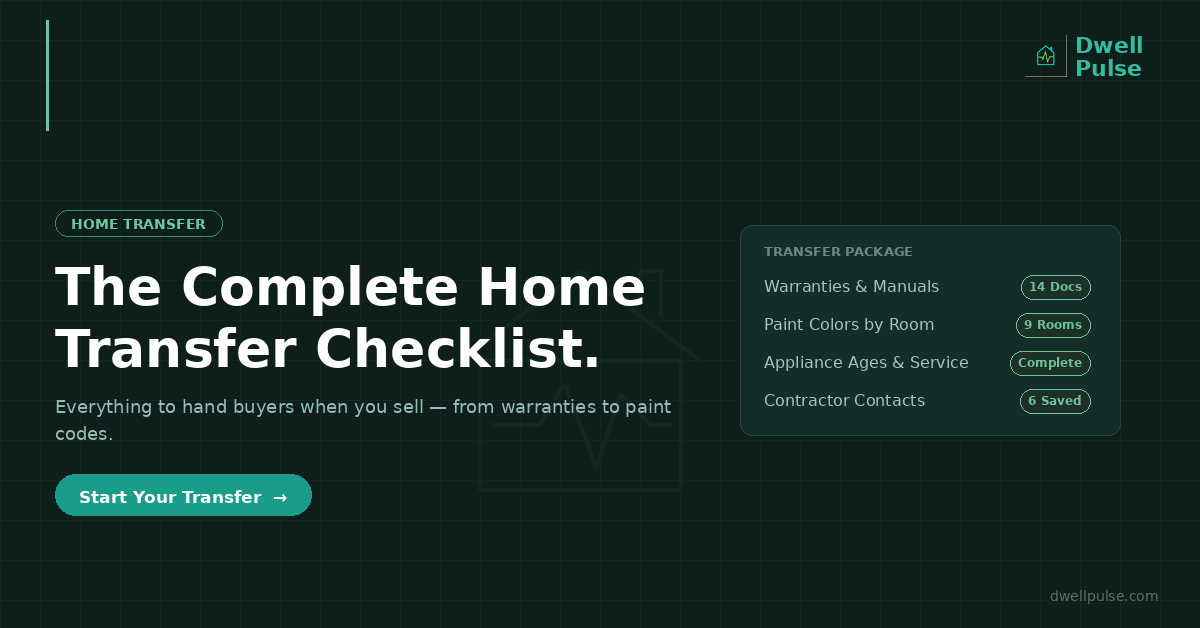
Closing day is here. The buyers are excited. The paperwork is signed. And then they ask: “Do you have the manuals for the appliances? What about the warranty for the HVAC? When was the roof last inspected?” You freeze. You have no idea where any of that is.
One of the most overlooked parts of selling a home is the transfer of information. Buyers aren’t just purchasing the physical property — they’re inheriting systems, appliances, warranties, and maintenance responsibilities they know nothing about. The sellers who make this transition smooth stand out. The ones who can’t answer basic questions about their home leave buyers anxious and frustrated before they’ve even moved in.
Here’s the complete checklist of what buyers expect (and deserve) when you hand over the keys — and how to organize it all so you’re ready when the time comes.
Essential Documents: The Non-Negotiables
These are the documents buyers absolutely need, and in most states, you’re legally required to provide them.
**✓ Property deed and title documents**
The title company usually handles this, but keep copies for your records and confirm buyers receive them at closing.
**✓ Home inspection report (if available)**
If you had an inspection done when you bought the home, pass it along. It gives buyers a baseline for the home’s condition at that time and shows transparency.
**✓ Disclosure forms**
Every state requires sellers to disclose known issues with the property. Keep copies of all signed disclosure documents.
**✓ Survey and property plat**
Shows exact property boundaries, easements, and encroachments. Critical if there are shared driveways, fences near property lines, or utility easements.
**✓ HOA documents (if applicable)**
Covenants, conditions, restrictions (CC&Rs), bylaws, meeting minutes, current HOA fees, and contact information for the board. Buyers need this before closing in most cases.
**✓ Warranties and transferable service contracts**
Home warranties, pest control contracts, security system agreements — anything that transfers with the property or can be assumed by the buyer.
Appliance & System Information: The Practical Stuff
This is where most sellers fall short. Buyers move in and have zero information about the appliances and systems running the house.
**✓ Appliance manuals and warranty documents**
For every appliance: refrigerator, dishwasher, washer, dryer, range/oven, microwave, garbage disposal, water heater. Include model numbers, install dates, and warranty expiration dates if known.
**✓ HVAC system documentation**
Make/model of furnace and AC units, install dates, filter size, last service date, recommended service schedule. If you have service records from HVAC contractors, include those.
**✓ Water heater information**
Type (tank/tankless), capacity, install date, warranty status. If it’s gas, note where the shutoff valve is.
**✓ Roof documentation**
Install date, material, warranty information (many roofing warranties transfer to new owners), and records of any repairs or inspections.
**✓ Electrical panel map**
A labeled directory showing which circuit breaker controls what. This is one of the most helpful things you can provide and takes less than an hour to create.
**✓ Plumbing system details**
Main water shutoff location, gas shutoff location, septic system info (if applicable), well system details (if applicable).
Maintenance Records: Proof of Care
This is what separates a well-maintained home from one buyers worry about. Maintenance records build confidence and prove you took care of the property.
**✓ HVAC service records**
Receipts from annual tune-ups, filter changes, repairs. Shows buyers the system was professionally maintained.
**✓ Major repairs and replacements**
Records of any significant work: roof replacement, plumbing repairs, electrical upgrades, foundation work, appliance replacements.
**✓ Pest control records**
Termite inspections, pest treatments, warranties from pest control companies.
**✓ Receipts for recent improvements**
Kitchen remodels, bathroom updates, flooring installation, window replacements. Include before/after photos if you have them.
**✓ Permit documentation**
Copies of building permits for any major work (additions, deck construction, electrical/plumbing upgrades) and final inspection approvals. This proves the work was done legally and to code.
Operational Information: How Things Work
Buyers need to know how to operate the systems in their new home. This is especially true for anything non-standard.
**✓ Irrigation system guide**
If you have a sprinkler system, provide the timer manual, watering schedule, and zone map showing which areas each zone covers.
**✓ Smart home system info**
Login credentials (reset them after closing), setup instructions, and troubleshooting guides for smart thermostats, security systems, doorbell cameras, etc.
**✓ Pool/spa maintenance guide**
Equipment manuals, maintenance schedule, chemical supplier info, service company contacts.
**✓ Fireplace/wood stove information**
Type, fuel source, operation instructions, chimney sweep records.
**✓ Garage door opener codes and remotes**
Reset codes before closing and provide new ones to buyers along with the opener manual.
**✓ Paint colors and finishes**
List of paint brands, colors, and finishes used in each room. Buyers will thank you when they need to do touch-ups.
Contact Information: Who to Call
Buyers need to know who maintains your home’s systems and who to call when something goes wrong.
**✓ Preferred contractors and service providers**
HVAC technician, plumber, electrician, roofer, landscaper, handyman — anyone you’ve used and trust. Include names, phone numbers, and what they’ve worked on.
**✓ Utility company information**
Electric, gas, water, trash, internet/cable providers with account numbers and transfer instructions.
**✓ Homeowners insurance agent**
Your agent can help buyers set up their own policy and understands the property’s specifics.
**✓ Emergency contacts**
Nearest hospital, fire department, police (non-emergency), and any local emergency services specific to your area.
Nice-to-Haves: Go Above and Beyond
These aren’t required, but they make buyers feel valued and set you apart from other sellers.
**✓ Neighborhood guide**
Trash pickup days, recycling rules, HOA contact info, best local restaurants, nearby parks, school information.
**✓ Seasonal tips**
What to do before winter (shut off outdoor faucets, etc.), spring yard maintenance, when to schedule HVAC service, gutter cleaning recommendations.
**✓ Spare parts and keys**
Extra garage door remotes, spare keys, leftover paint, extra furnace filters, unused tile from a bathroom remodel.
**✓ Before/after photos of improvements**
Visual proof of what you’ve upgraded — especially helpful for projects completed years ago that buyers might not realize are new.
How to Organize It All (Without Losing Your Mind)
Most sellers wait until two weeks before closing to scramble for this information. By then, half of it is lost, contractors don’t remember details from five years ago, and you’re guessing at appliance install dates.
**The smarter approach: organize this information now, even if you’re not selling for years.**
Create a digital folder (or use a home management app) and file everything as it happens:
- Scan appliance manuals when you buy them
- Save contractor receipts immediately after work is completed
- Take photos of finished projects
- Log appliance install dates and warranty expirations
- Keep a running list of trusted contractors with contact info
When it’s time to sell, you’ll have everything ready to hand over — no stress, no guessing, no missing documentation.
The Bottom Line
Buyers are making the biggest purchase of their lives, and they want to feel confident about what they’re getting. The more information you provide at closing, the more trust you build — and trust translates into smoother negotiations, fewer post-sale issues, and stronger buyer satisfaction.
Don’t wait until closing week to pull this together. Start organizing your home’s documentation today. When it’s time to sell, you’ll be ready.
How DwellPulse Helps
DwellPulse helps homeowners organize appliances, track maintenance, store warranties and receipts, and transfer everything to buyers when you sell. Build your home’s complete history from day one with automated reminders, digital documentation storage, and one-click property transfer that makes closing day effortless.
Ready to take control of your home?
DwellPulse is free to start — track maintenance, projects, appliances, and your garden all in one place.
Start Free Today →